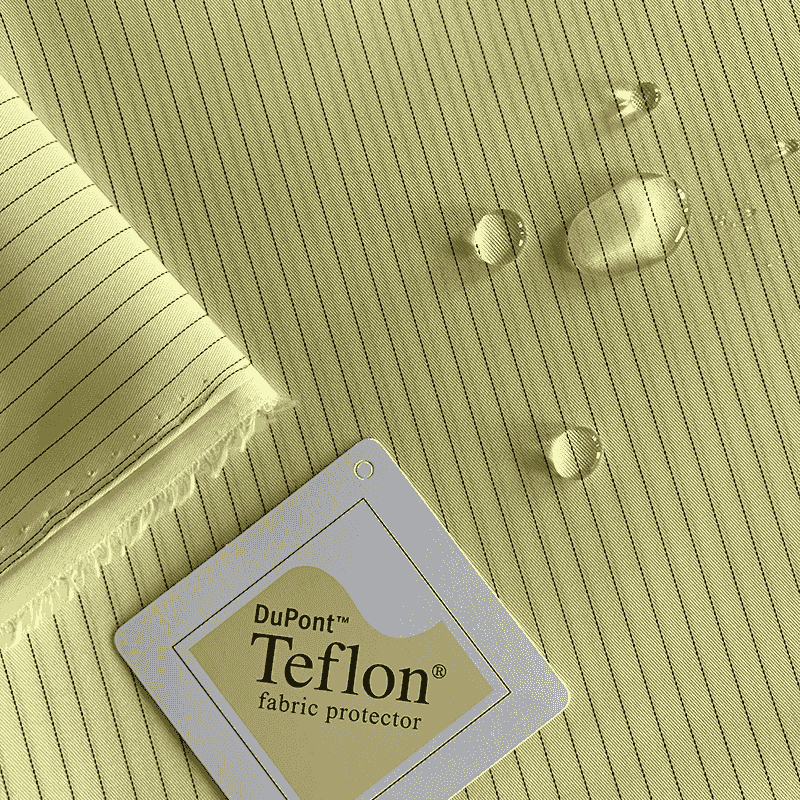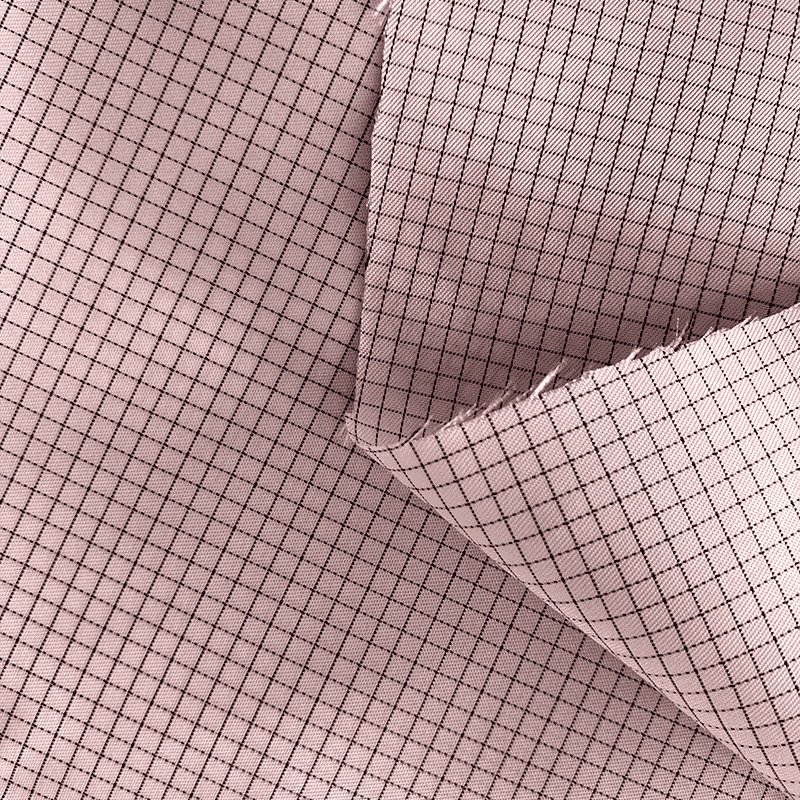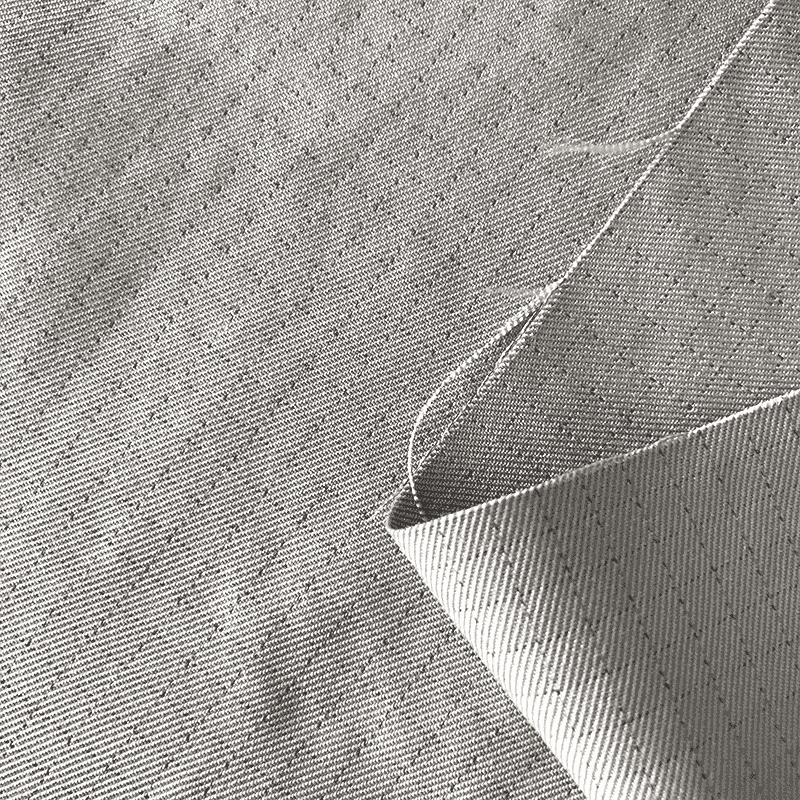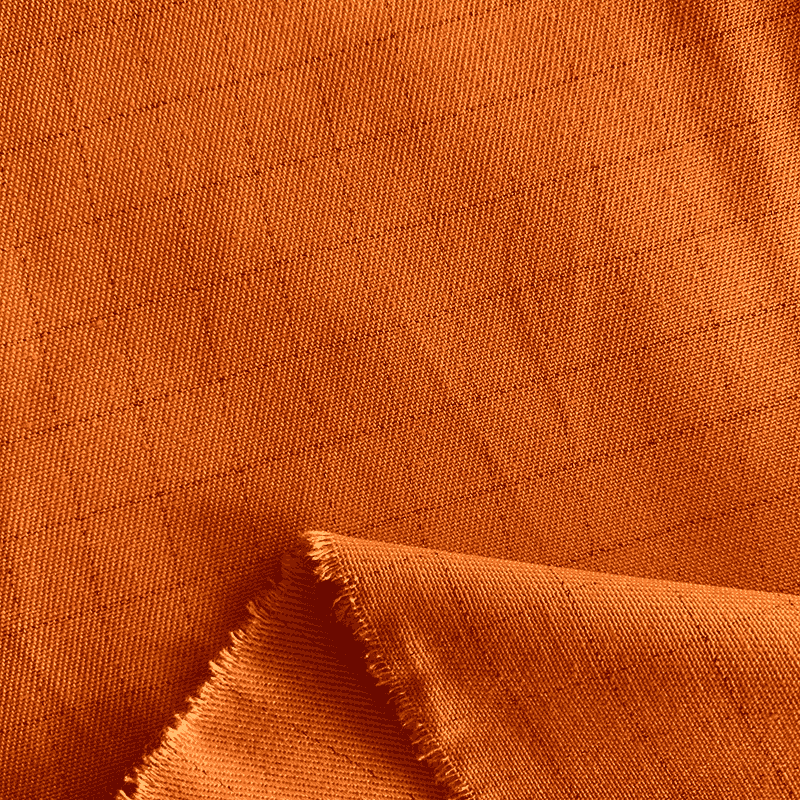
What is Antistatic Fabric ?Antistatic fabric refers to textile materials that have been specially designed to prevent the buildup of static electricity. Static electricity is generated when two materials come into contact and then separate, causing an imbalance of electrons. This imbalance can create sparks, which can be dangerous in environments where flammable gases or liquids are present.
Antistatic fabrics are typically made by incorporating conductive fibers or threads into the fabric. These fibers or threads are designed to dissipate any static electricity that may build up on the surface of the fabric. Antistatic fabrics are commonly used in industries such as electronics, aerospace, and automotive manufacturing, where the presence of static electricity can cause damage to sensitive electronic components.
There are different types of antistatic fabrics available, including woven and non-woven fabrics. Some antistatic fabrics are also designed to be flame-resistant, making them suitable for use in environments where fire hazards are a concern. Additionally, some antistatic fabrics may also have other properties such as being water-resistant or breathable, depending on the specific application for which they are intended.
How to maintain Antistatic Fabric ?Antistatic fabrics are designed to prevent the buildup of static electricity that can damage electronic equipment or create a nuisance shock for the wearer. To maintain the antistatic properties of the fabric, follow these steps:
Wash the fabric properly: Use a mild detergent and avoid using fabric softeners or bleach as they can damage the antistatic properties of the fabric. Always wash the fabric in cool or lukewarm water.
Dry the fabric properly: Air drying is the best option for antistatic fabrics. Avoid using a dryer or hanging the fabric in direct sunlight as it can damage the antistatic properties.
Avoid using chemicals: Avoid using harsh chemicals like dry cleaning solvents or stain removers that can damage the antistatic properties of the fabric.
Store the fabric properly: Antistatic fabrics should be stored in a dry, cool place away from direct sunlight or moisture. Avoid folding the fabric as much as possible, and if you must fold it, store it in a way that prevents any creases or folds from damaging the antistatic properties.