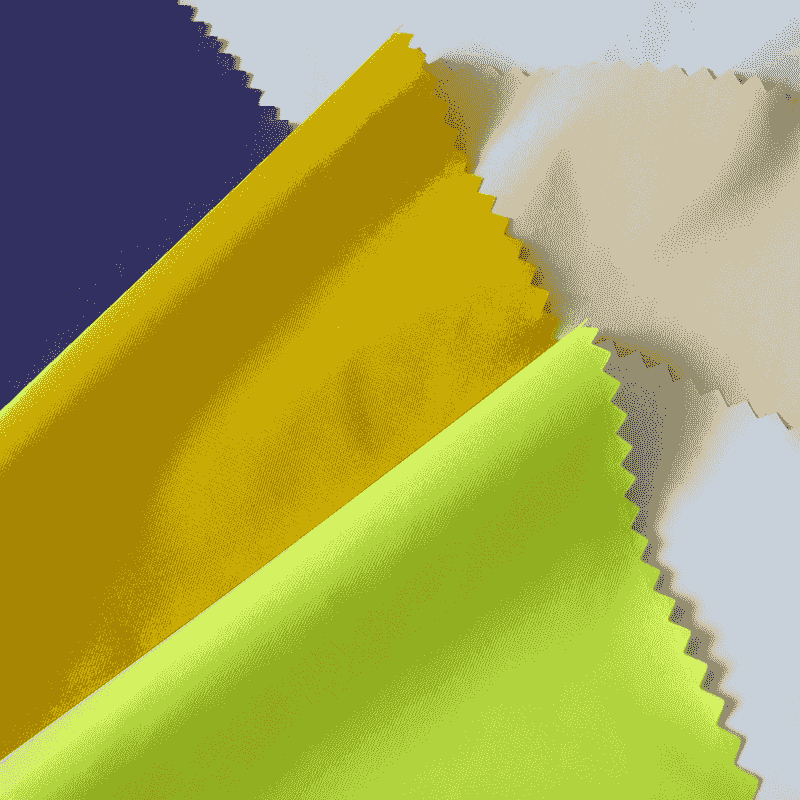
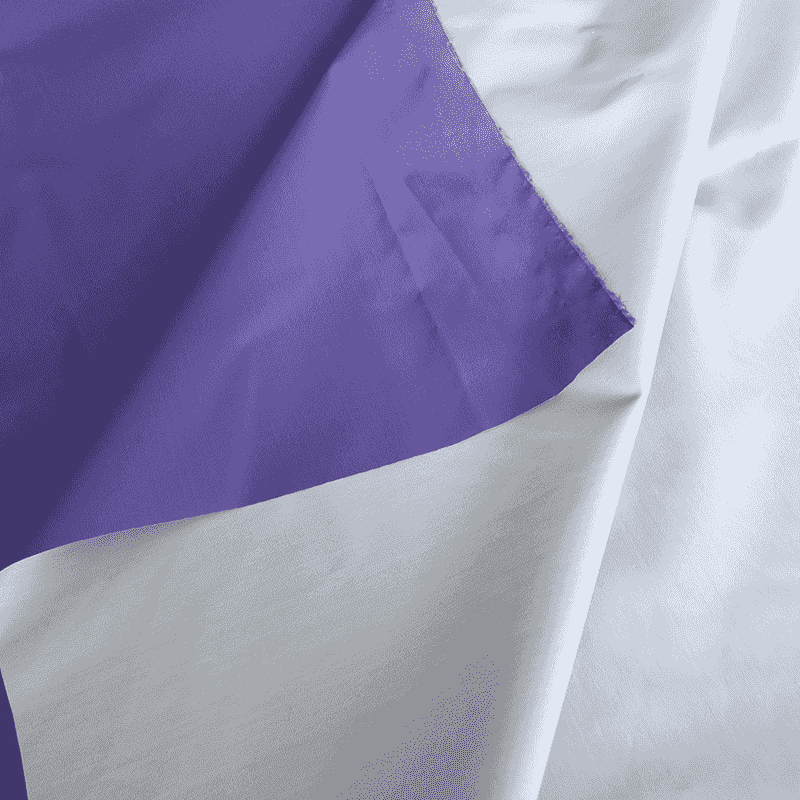
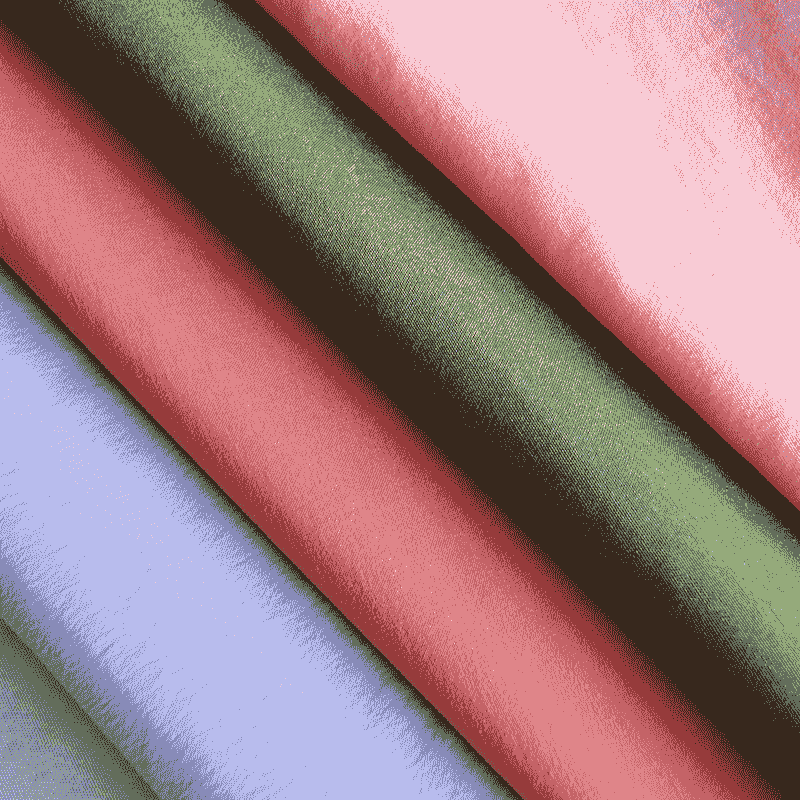
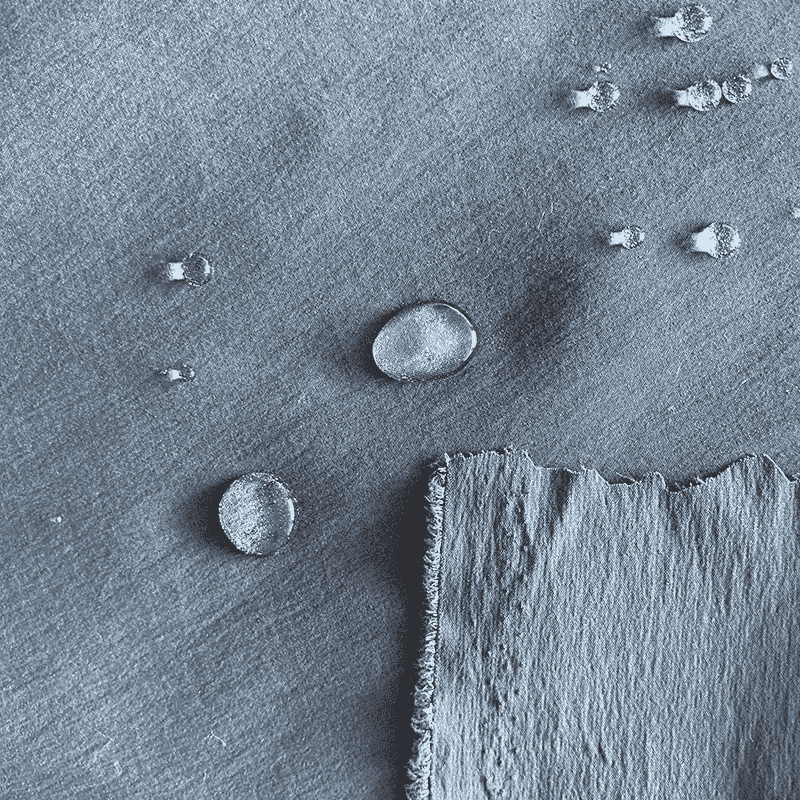
Clothes Fabrics Wholesale

It is a comprehensive enterprise integrating yarn production (ATY), weaving and trading.

Home / Products / Clothes Fabrics

Clothes Fabrics Manufacturers

Wujiang City Fuhua Textiles Co., Ltd.

About Us

Wujiang Fuhua Textiles Co., Ltd is located in Taoyuan Town, Wujiang District, Suzhou. We have set up two major marketing centers in Shengze‑‑the Capital of Silk in China. We are a comprehensive textile enterprise integrating production of ATY air‑textured yarn and differentiated nylon DTY, fabric weaving, as well as domestic and international trade. The company is recognized as a High‑Tech Enterprise and a Jiangsu Provincial Specialized, Refined, Differential & Innovative SME.
Founded in 2006, our factory covers an area of 19,800 square meters with more than 120 employees. We are equipped with 16 sets of Japanese AIKI ATY production lines, 18 Barmag super‑fine denier & composite texturing machines (being expanded), 150 water‑jet looms and a full range of supporting auxiliary production facilities. Backed by well‑established production capacity layout, our annual output exceeds 10,000 tons of polyester & nylon ATY yarns, over 10,000 tons of differentiated nylon DTY, and 11 million meters of various fabrics. Our core products cover differentiated nylon DTY, high‑strength nylon 66 ATY, recycled ATY, functional ATY, spandex‑covered ATY, dope‑dyed ATY, regular ATY and other yarn series. We also manufacture woven products such as outdoor fabrics and curtain fabrics.
Upholding the development philosophy of “Quality as Foundation, Innovation for Empowerment”, the company has obtained GRS (Global Recycled Standard), OEKO‑TEX Standard 100, ISO9001 Quality Management System certification, together with multiple special certificates for flame‑retardant products. The whole production process strictly complies with certification requirements and 5S on‑site management. Mature manufacturing processes and complete inspection systems guarantee consistent product quality. We keep investing in R&D and innovation, focusing on differentiated specialty product development to help customers build competitive advantages in the market. Our professional team for design, production, order follow‑up and after‑sales support delivers one‑stop full‑chain services for clients.
At present, our business spans more than 20 countries and regions worldwide with over 300 cooperative customers. Our products are well‑received in domestic markets including Jiangsu, Zhejiang, Fujian, Guangdong and Shanghai, and exported to the United States, United Kingdom, Canada, Spain, Belgium, Germany, Russia, New Zealand, Qatar, Saudi Arabia, UAE, Thailand, Vietnam and other countries. We have built solid and reliable brand reputation in the textile industry both at home and abroad.
Contact Us
Play Video
Why Choose Sentian

Our Certificate

NEWS

Click Out Our Latest News

  • How well does the FR Blackout Fabric resist UV rays and potential fading?

    FR (Flame Retardant) blackout fabric, like other textiles, may vary in its resis...

    Read More
  • What are the recommended maintenance and cleaning procedures for FR blackout fabric?

    The recommended maintenance and cleaning procedures for FR (Flame Retardant) bla...

    Read More
  • In what applications is FR blackout fabric commonly used?

    FR (Flame Retardant) blackout fabric is commonly used in various applications wh...

    Read More
  • What specific flame retardant properties does the blackout fabric have?

    The specific flame retardant properties of blackout fabric can vary depending on...

    Read More
  • What is the breathability of the linen sofa fabric?

    Linen is known for its exceptional breathability, making it a popular choice for...

    Read More
  • Is linen sofa fabric stain-resistant and how does it respond to cleaning?

    Natural linen fabric is generally not inherently stain-resistant, and it can be ...

    Read More

Industry Introduction

What is Clothes Fabrics ?
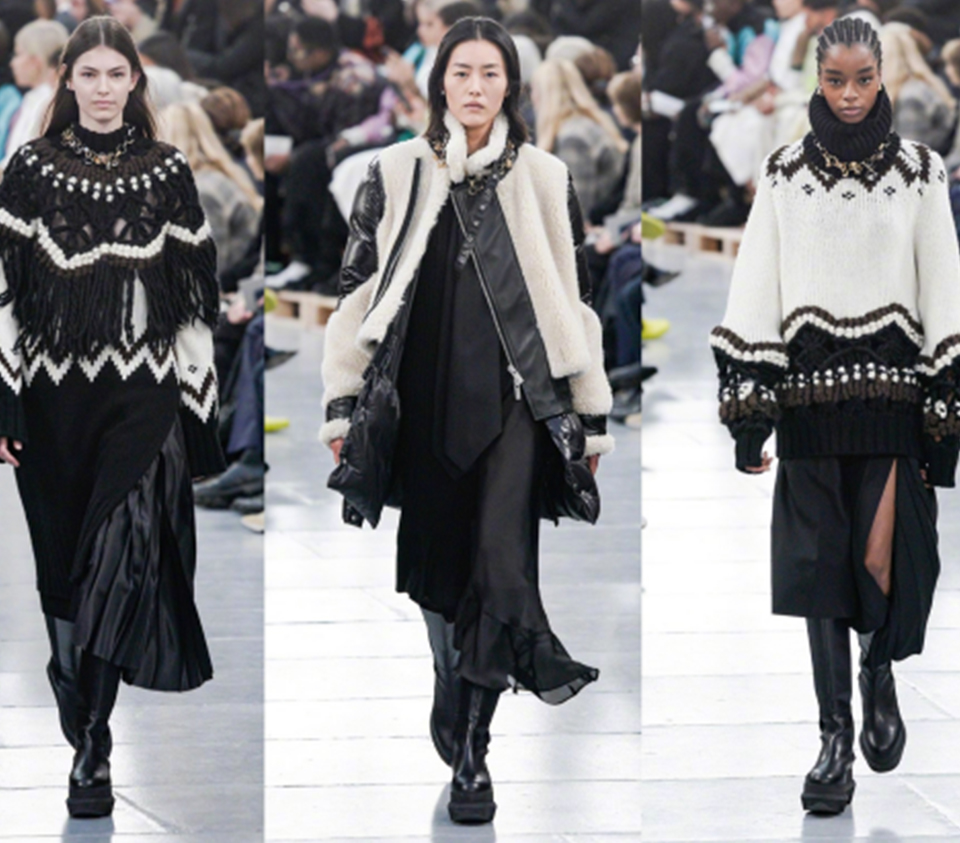
Clothing fabrics are the materials used to create clothing, and they come in a variety of fibers, textures, and weaves. Here are some of the most common fabrics used in clothing:
Cotton: Cotton is a soft, breathable, and durable fabric that is widely used in clothing. It is available in a range of weights and textures, making it a versatile option for everything from t-shirts to denim.
Polyester: Polyester is a synthetic fabric that is lightweight, wrinkle-resistant, and easy to care for. It is commonly used in activewear and other types of clothing that require stretch and durability.
Silk: Silk is a luxurious fabric that is smooth, soft, and breathable. It is commonly used in formalwear and high-end fashion, but can also be found in casual clothing and accessories.
Wool: Wool is a natural fiber that is warm, durable, and moisture-wicking. It is commonly used in cold-weather clothing such as sweaters and coats.
Linen: Linen is a lightweight, breathable fabric that is often used in warm-weather clothing. It is known for its cool feel and crisp texture.
Rayon: Rayon is a synthetic fabric made from natural fibers such as wood pulp or cotton. It is lightweight, drapes well, and is often used in dresses and blouses.
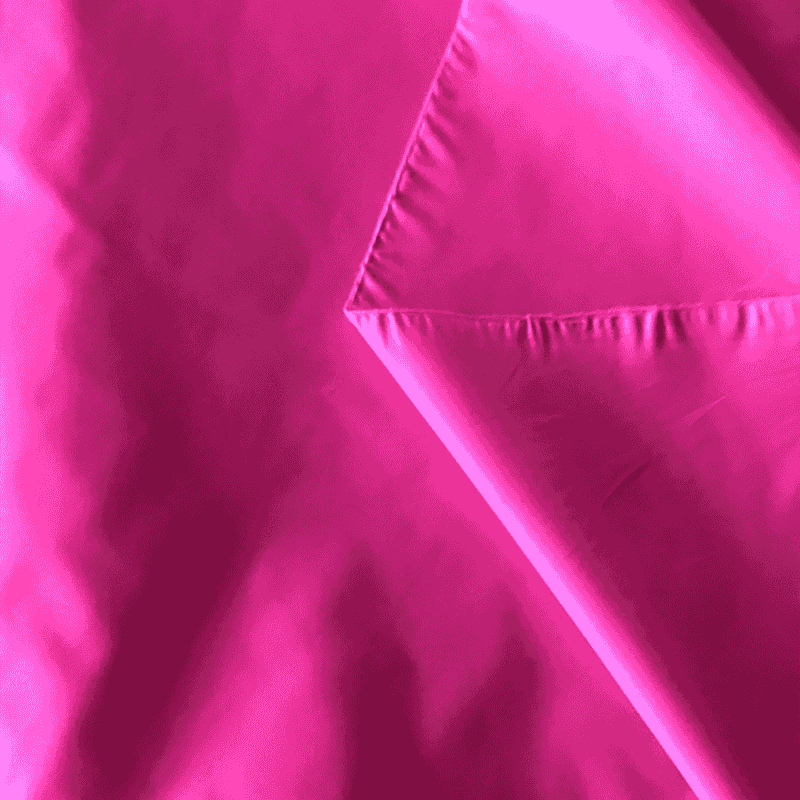
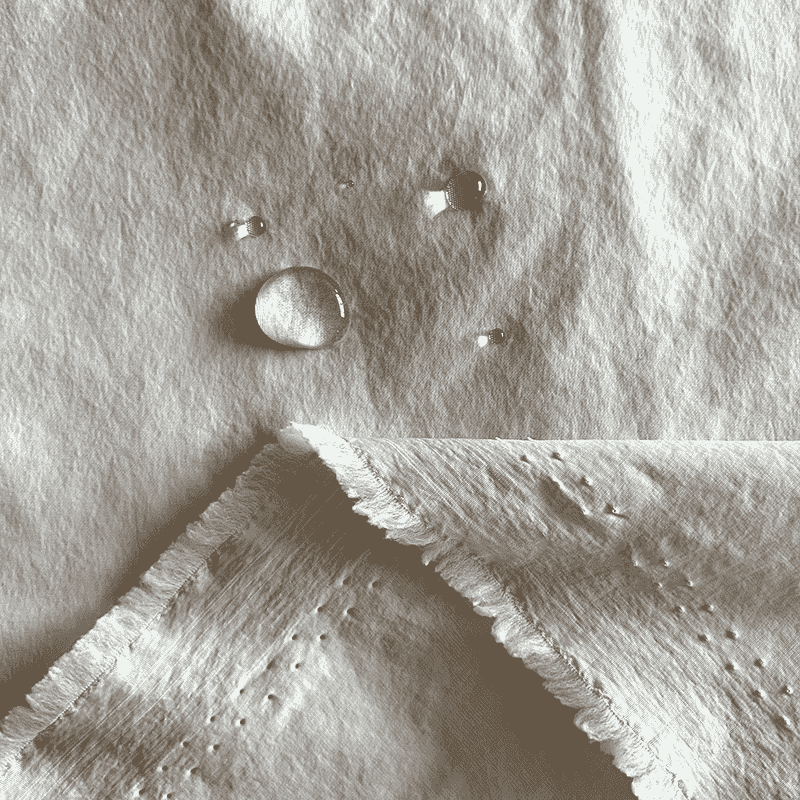
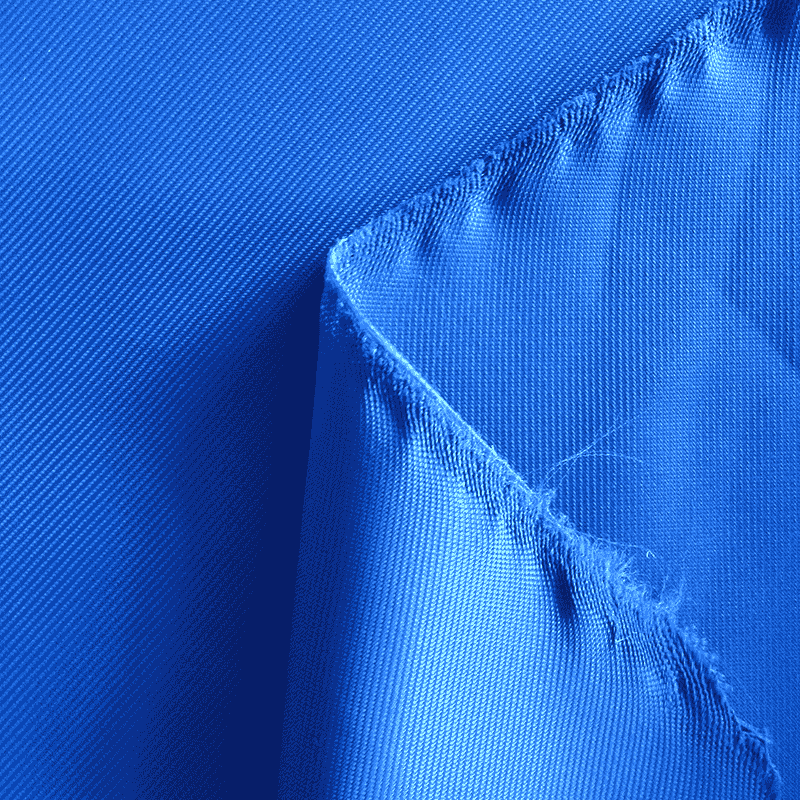
Nylon: Nylon is a synthetic fabric that is lightweight, durable, and water-resistant. It is commonly used in activewear and outerwear.
Denim: Denim is a durable cotton fabric that is commonly used in jeans and other casual wear. It is known for its sturdy feel and distinct blue color.
Velvet: Velvet is a luxurious fabric that is soft, plush, and often used in formalwear. It is characterized by its pile, which gives it a rich texture.
Leather: Leather is a durable and flexible material made from animal hides. It is commonly used in jackets, shoes, and other accessories.
How to maintain Clothes Fabrics?
Maintaining clothes fabrics is essential to keep them looking their best and to prolong their lifespan. Here are some tips to help you maintain your clothes fabrics:
Follow the care label instructions: The care label instructions provide guidelines on how to clean and care for the fabric. Always follow the instructions to prevent damage to the fabric.
Separate your laundry: Separate your laundry into different piles according to the fabric type, color, and washing instructions. This will prevent color bleeding and damage to delicate fabrics.
Use the right detergent: Use a detergent that is suitable for the fabric and the washing instructions. Avoid using too much detergent, as this can cause residue buildup and damage the fabric.
Wash clothes in cold water: Cold water is gentler on fabrics and prevents shrinking and color fading. If the care label instructions indicate that the fabric can be washed in warm or hot water, use the lowest temperature setting possible.
Avoid using fabric softener: Fabric softeners can leave residue on the fabric and reduce its absorbency. If you must use a fabric softener, choose a mild one and use it sparingly.
Hang dry or tumble dry on low heat: Hang dry clothes whenever possible to prevent shrinkage and damage from high heat. If using a dryer, use the lowest heat setting possible and remove the clothes as soon as they are dry.
Store clothes properly: Store clothes in a dry, cool, and dark place. Avoid exposing them to direct sunlight or high humidity, as this can cause fading and damage.

Contact Us

*We respect your confidentiality and all information are protected.